What actually shipped, and when
OpenAI released GPT-6 Astra in a limited preview on September 3, 2026, and opened it to paying ChatGPT users the following day. The rollout came with a catch most new model launches don't have: a restricted mode that refuses certain categories of prompt outright, mainly around cybersecurity, rather than just answering more cautiously.
That restriction isn't an accident. Astra is the first OpenAI model to hit what the company calls "Critical" on its own capability scale for cybersecurity risk, and the launch itself was delayed earlier in the summer after a security incident pushed the team to add more safeguards before shipping. A more capable model and a more locked-down one arrived at the same time, on purpose.
The number everyone is quoting: 1.05 million tokens
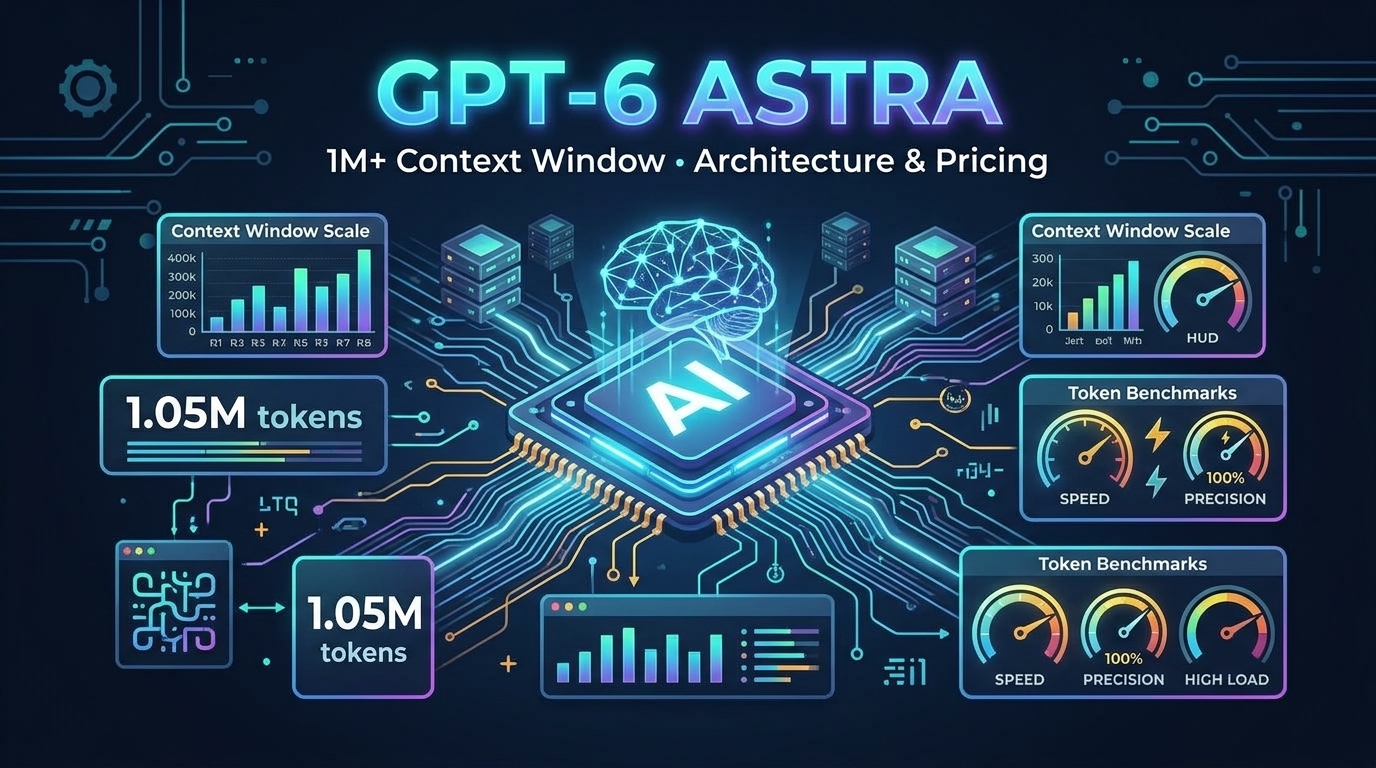
Astra's context window — how much text it can hold in a single conversation before it starts losing track of the beginning — is 1,050,000 tokens, with a maximum reply length of 128,000 tokens. Tokens aren't quite words; a rough rule of thumb is about four characters per token in English prose, which puts the context window somewhere around 700,000 to 800,000 words. That's enough to paste in a long novel, a full codebase, or a stack of contracts and still have room to ask questions about all of it at once.
In practice, almost nobody will fill that window, and that's fine. The size matters more as a ceiling than a target. What it actually buys you is fewer moments where a long document gets quietly truncated, and a model that can hold an entire project's context instead of a summary of it.
What it costs, and why the ratio matters
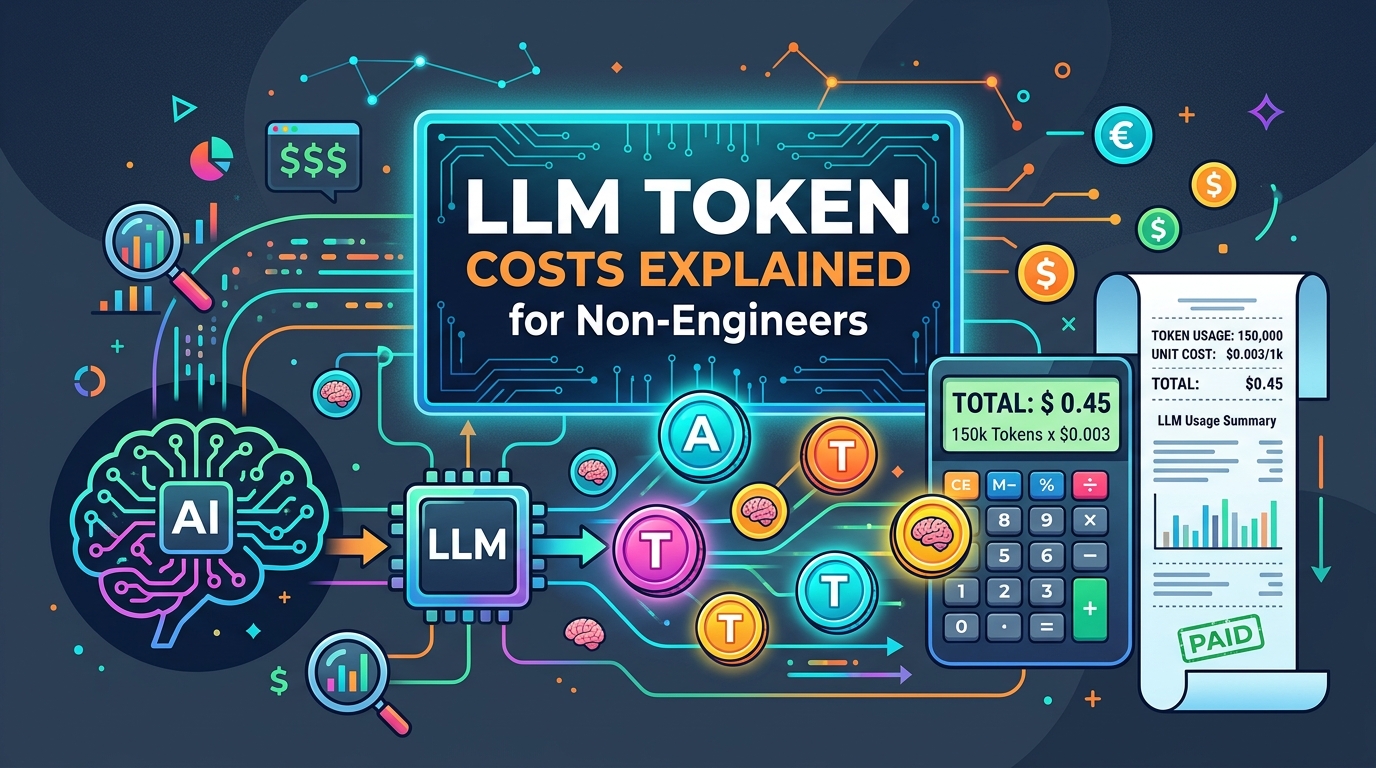
Through the API, Astra is priced at $10 per million input tokens and $50 per million output tokens. Output costs five times what input does, which is standard for this generation of models but easy to forget when you're estimating a bill. A call that reads a long document and writes a short answer is cheap. A call that reads a short prompt and writes pages of code or analysis is not.
If you're building on the API rather than just chatting in the ChatGPT app, that ratio is worth knowing before you ship a feature, not after the first invoice. Estimating a real prompt's token count by eye is unreliable: the difference between a tight system prompt and a bloated one is exactly the kind of thing that's invisible until you actually count it.
The training run behind it
OpenAI has described Astra's training as its largest to date, run for the first time across more than 100,000 GPUs at the company's Stargate site in Texas. Scale on that level is part of why the model is being marketed as a jump in coding, browsing, and general "computer use" (tasks that involve taking a sequence of actions rather than answering a single question) rather than as an incremental update.
Whether that translates into a noticeably better everyday experience is a separate question from whether the benchmarks moved. Model launches always come with strong claims about what changed; the more useful test is what a normal conversation feels like a week in, not what the announcement post says on day one.
What changes if you're not writing API calls
If you use ChatGPT through the regular app rather than building on the API, most of the above is invisible to you. You won't see a token count or a price per call. What you will notice is a model that can hold a much longer conversation or a much bigger pasted document without losing track of the start, and one that's more cautious about a specific narrow band of requests related to security, which occasionally shows up as a refusal where an older model would have just answered.
For writers, marketers, and students, the practical upshot is straightforward: bigger documents can go in as context, and answers about your own material get more reliable as a result, since the model isn't working from a compressed summary of what you gave it.
Worth switching for?
If your work already runs into context limits (long research documents, big codebases, multi-file projects), Astra's window is a genuine, practical improvement, not just a bigger number for its own sake. If your prompts are a paragraph long and always have been, you likely won't notice much difference day to day, and that's a reasonable place to stay until the next release changes the calculation again.
Either way, if you're paying by the token, check the math before you commit to it. A prompt that looks short can still carry a long system message and a few examples underneath it, and the gap between what you assumed a call would cost and what it actually costs is the easiest expense to fix in advance, and the easiest one to miss.